
홍천으로 향하는 아침, 짙은 안개가 걷히고 햇살이 쏟아지기 시작했다. 며칠 전부터 SNS에서 눈여겨봤던 루프빈 카페, 그곳에서 맛있는 커피와 빵, 그리고 아름다운 풍경을 만끽할 생각에 마음은 벌써 홍천에 가 있었다. 비발디파크를 지나 팔봉산 자락에 가까워질수록 설렘은 더욱 커져갔다. 드디어 눈앞에 나타난 루프빈 카페는 생각보다 훨씬 웅장하고 세련된 모습이었다.
넓은 주차장에 차를 세우고 카페로 들어서는 순간, 따뜻하고 아늑한 분위기가 온몸을 감쌌다. 높은 천장과 탁 트인 공간, 곳곳에 놓인 싱그러운 식물들이 편안함을 더했다. 은은하게 퍼지는 빵 굽는 냄새는 마치 나를 따뜻하게 환영하는 듯했다. 통유리창 너머로는 그림 같은 팔봉산의 풍경이 펼쳐져 있었다. 자연과 조화롭게 어우러진 인테리어는 감탄을 자아내기에 충분했다.
주문을 하기 위해 카운터로 향했다. 다양한 빵과 디저트들이 눈길을 사로잡았다. 쟁반 위에 빵을 하나씩 담을 때마다 행복감이 차올랐다. 무엇을 골라야 할지 고민스러울 땐, 친절한 직원분들이 메뉴에 대한 자세한 설명을 해주시니 걱정할 필요가 없다. 특히 이곳의 시그니처 메뉴라는 ‘카이막 세트’는 꼭 맛봐야 한다고 강력 추천해주셨다. 마치 천상의 맛을 경험할 수 있다는 백종원의 극찬을 떠올리게 하는 순간이었다. 달콤한 꿀과 빵의 조합이라니, 생각만 해도 군침이 돌았다. 음료는 아이스 아메리카노와 딸기 요거트 스무디를 주문했다.

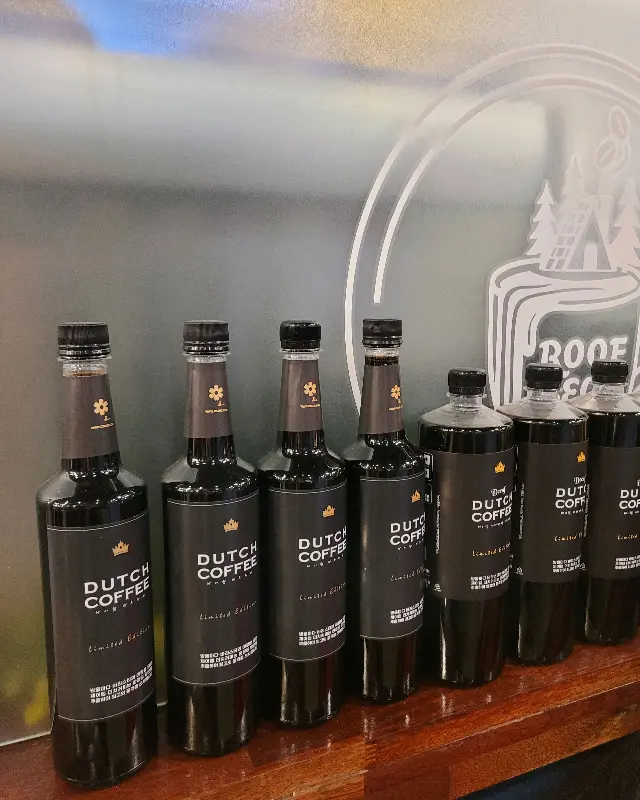
진동벨이 울리기를 기다리며 카페 내부를 둘러봤다. 1층은 넓고 테이블 간 간격이 넓어서 편안하게 대화를 나누기에 좋았다. 2층으로 올라가는 계단 옆에는 더치커피 병들이 가지런히 놓여 있었다. 마치 실험실을 연상시키는 모습이 흥미로웠다. 2층은 1층과는 또 다른 분위기였다. 아늑한 룸 형태의 공간도 마련되어 있었고, 루프탑으로 나가는 문도 보였다. 특히 2층 돔 형태의 공간은 마치 나만의 아지트 같은 느낌을 주었다. 연인끼리 오붓하게 시간을 보내거나, 가족 단위 손님들이 아이들과 함께 즐거운 시간을 보내기에도 안성맞춤일 것 같았다.

진동벨이 울리고, 주문한 메뉴들이 나왔다. 카이막 세트는 갓 구운 따뜻한 빵과 함께 꿀, 그리고 카이막이 정갈하게 담겨 나왔다. 아이스 아메리카노는 깊고 풍부한 향이, 딸기 요거트 스무디는 상큼하고 달콤한 맛이 일품이었다.

드디어 카이막을 맛볼 시간. 빵 위에 카이막을 듬뿍 올려 꿀을 살짝 뿌려 한 입 베어 물었다. 부드러운 카이막과 달콤한 꿀, 그리고 쫄깃한 빵의 조화는 그야말로 환상적이었다. 왜 다들 카이막, 카이막 하는지 알 것 같았다. 멈출 수 없는 맛에 순식간에 빵 한 조각을 해치웠다. 아메리카노 한 모금을 마시니 입안이 깔끔하게 정리되는 느낌이었다.
루프탑으로 올라가니 탁 트인 홍천강 뷰가 눈 앞에 펼쳐졌다. 시원한 바람을 맞으며 팔봉산을 바라보니 가슴이 뻥 뚫리는 기분이었다. 루프탑에는 따뜻한 실내 공간도 마련되어 있어서 추운 날씨에도 걱정 없이 풍경을 감상할 수 있었다. 마치 자연 속에 파묻힌 듯한 느낌, 이 맛에 사람들이 루프탑 카페를 찾는구나 싶었다.

카페에 머무는 동안, 다양한 손님들을 볼 수 있었다. 가족 단위 손님들은 아이들과 함께 빵을 고르며 즐거운 시간을 보내고 있었고, 연인들은 서로 사진을 찍어주며 행복한 미소를 짓고 있었다. 친구들과 함께 온 손님들은 맛있는 빵과 커피를 즐기며 끊임없이 이야기를 나누고 있었다. 루프빈은 누구에게나 편안하고 즐거운 공간을 제공하는 곳이었다.
시간이 How quickly does your heart rate return to normal after exercise and what does that mean for cardiovascular health?
Your heart rate’s return to normal after exercise, also known as heart rate recovery (HRR), is a valuable indicator of cardiovascular health. Here’s a breakdown:
What is Heart Rate Recovery (HRR)?
* HRR is the measure of how quickly your heart rate decreases after you stop exercising. It’s typically measured in beats per minute (bpm) reduction within the first minute or two after peak exertion.
How is HRR Measured?
* You can measure HRR using a heart rate monitor or even manually.
* Manual Measurement (Less Accurate): Immediately after finishing your exercise, record your heart rate. Sit or stand still, and then record your heart rate again exactly one minute later. The difference between the two is your HRR.
* Heart Rate Monitor/Fitness Tracker (More Accurate): Many devices automatically track your heart rate during exercise and provide HRR data afterward.
What is a “Normal” or “Good” HRR?
* There’s no single universally agreed-upon number, but generally:
* Good HRR: A decrease of 20 bpm or more in the first minute is considered a good indicator of cardiovascular fitness.
* Average HRR: A decrease between 15 and 20 bpm might be considered average.
* Poor HRR: A decrease of less than 12 bpm in the first minute can be concerning. *This is generally where medical evaluation is recommended.*
What Does HRR Tell Us About Cardiovascular Health?
* Parasympathetic Nervous System Activity: A faster HRR suggests a healthy and responsive parasympathetic nervous system. This “rest and digest” system helps regulate heart rate and blood pressure, promoting relaxation and recovery.
* Vagal Tone: A significant part of the parasympathetic activity involves the vagus nerve. High vagal tone helps the body better manage stress and promotes faster recovery.
* Cardiovascular Fitness: A good HRR is often associated with better overall cardiovascular fitness. It means the heart is efficient at returning to its resting state after exertion.
* Risk of Cardiovascular Events: Studies have shown that a *slower* HRR is linked to an increased risk of cardiovascular events, such as heart attack, stroke, and sudden cardiac death. This is especially true for individuals with known heart conditions or risk factors.
Why Does HRR Matter?
* Early Detection: HRR can be an early warning sign of potential cardiovascular problems, even before other symptoms appear.
* Risk Assessment: It helps doctors assess an individual’s risk of future cardiovascular events.
* Training Adaptation: Athletes can use HRR to gauge their recovery and adjust their training accordingly. It can indicate overtraining if recovery is significantly slowed.
* Monitoring Progress: HRR can be tracked over time to assess the effectiveness of lifestyle changes, such as increased exercise, improved diet, and stress management.
Factors Affecting HRR:
* Age: HRR tends to decrease with age.
* Fitness Level: More fit individuals generally have faster HRR.
* Medications: Certain medications, such as beta-blockers, can slow HRR.
* Heart Conditions: Underlying heart conditions can impair HRR.
* Overtraining: Excessive training without adequate recovery can negatively affect HRR.
* Stress: High levels of stress can slow HRR.
* Hydration: Dehydration can affect heart rate and its recovery.
* Environmental Factors: Temperature and humidity can influence heart rate.
Important Considerations:
* Consistency: To get a reliable HRR measurement, it’s essential to measure it consistently after the *same type* of exercise and under similar conditions.
* Context: HRR should be interpreted in the context of an individual’s overall health, fitness level, and other risk factors. A slightly slower HRR might not be concerning for an older person, while it could be more significant for a younger athlete.
* Medical Advice: If you have concerns about your HRR, *consult with your doctor*. They can perform a thorough evaluation and provide personalized guidance. Don’t self-diagnose or make significant changes to your lifestyle or medications without professional medical advice. An HRR less than 12bpm in the first minute warrants a medical evaluation.
In summary, heart rate recovery is a simple but powerful indicator of cardiovascular health. By monitoring your HRR and understanding what it means, you can gain valuable insights into your fitness level and overall well-being. However, remember that it’s just one piece of the puzzle, and it’s always best to discuss any concerns with your doctor.